Category: Pet’s Health

  • Dog Skin Problems Pictures: Visual Signs, Common Causes, and When to See a Vet

    Dog Skin Problems Pictures: Visual Signs, Common Causes, and When to See a Vet

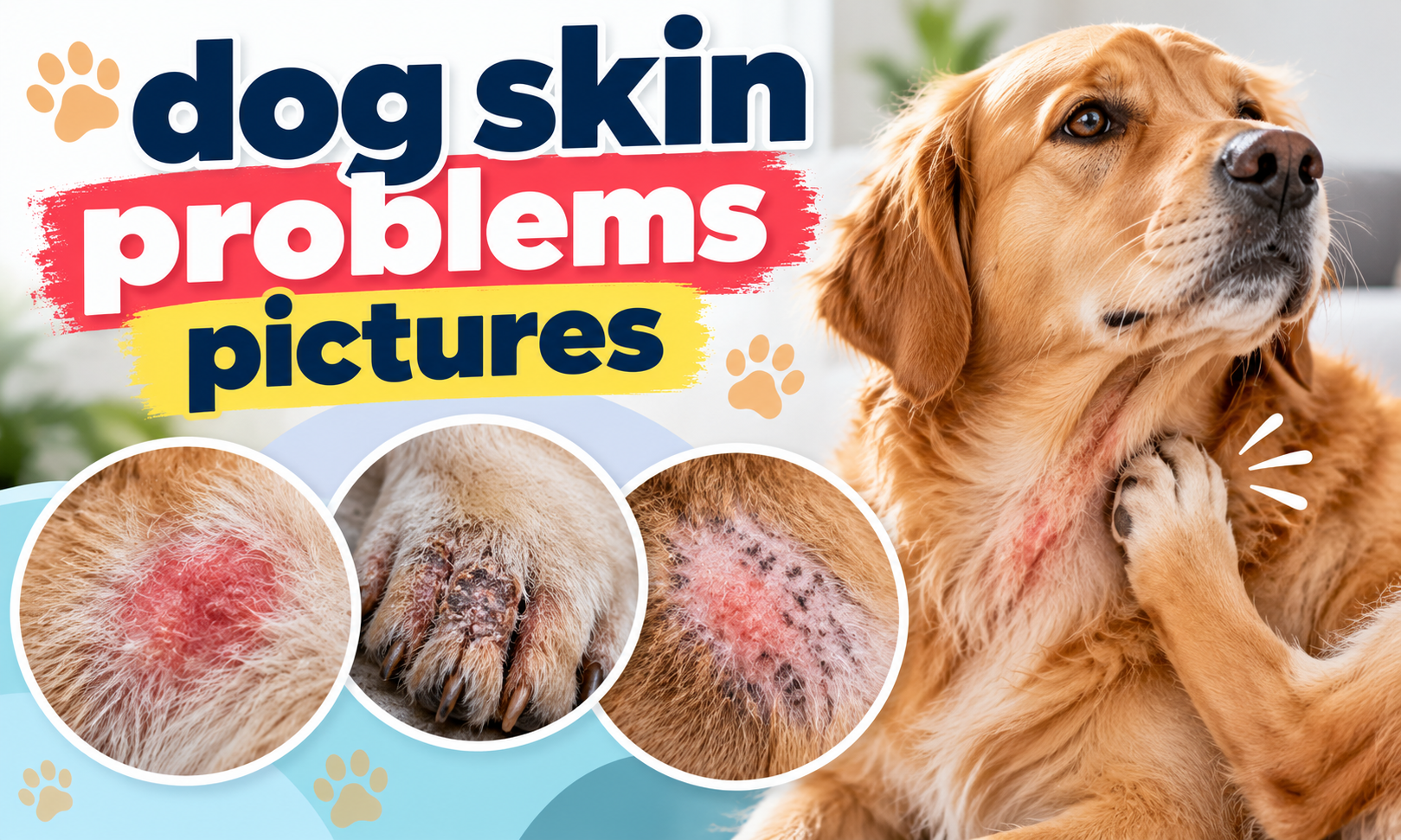
    Searching for dog skin problems pictures can help you recognize patterns such as red patches, bald spots, crusts, greasy skin, circular lesions, or raw sores. However, photographs cannot reliably tell you whether the cause is an allergy, parasite, bacterial infection, yeast overgrowth, fungus, or another medical problem. Several dog skin diseases can look almost identical.

    The WebMD slideshow of dog skin problems shows common examples including allergic dermatitis, yeast infection, folliculitis, ringworm, mange, fleas, hot spots, and skin tumors. Use pictures as a visual starting point, then let a veterinarian confirm the cause before treatment.

    What Can Dog Skin Problem Pictures Tell You?

    A picture can show the shape, location, color, and surface of a lesion. It can also help you document whether a rash is spreading, becoming wetter, losing hair, or developing crusts. These details are useful to a veterinarian.

    What a picture cannot show is the organism or underlying trigger. A red itchy belly could be allergy, fleas, mites, yeast, bacteria, contact irritation, or a combination. Veterinary testing may include skin scrapings, cytology, fungal testing, flea-comb examination, or biopsy.

    What Do Common Dog Skin Problems Look Like?

    Condition Typical visual clues Common locations Contagious?
    Allergic dermatitis Red, itchy skin; licking; recurrent rash Paws, ears, face, belly No
    Yeast dermatitis Red or dark, greasy skin; scale; odor Ears, paws, folds Usually no
    Bacterial pyoderma Pustules, crusts, circular collarettes, hair loss Trunk, belly, folds Usually no
    Hot spots Wet, raw, red, rapidly enlarging sore Head, hips, legs No
    Ringworm Scaly hairless patches, broken hairs, crusts Face, ears, paws Yes
    Sarcoptic mange Intense itch, crusts, redness, hair loss Ears, elbows, chest, belly Yes
    Demodectic mange Patchy hair loss, redness, scaling Face, forelegs, body Generally no
    Flea allergy Scabs, chewing, hair loss Lower back, tail base, thighs Fleas spread

    What Does Allergic Dermatitis Look Like?

    Dogs with allergies often develop red, itchy skin rather than one distinctive lesion. Repeated licking can stain the paws, while scratching can create scabs, broken hairs, and secondary infection. The ears may also become inflamed.

    Food allergy, environmental allergy, flea allergy, and contact irritation can overlap visually. That is why a rash photo cannot identify the allergen by itself.

    What Does a Yeast Infection Look Like on a Dog?

    Yeast dermatitis often produces itching, redness, scales, crusts, greasy skin, a musty odor, and darkening or thickening in chronic cases. VCA Animal Hospitals’ yeast dermatitis guide notes that the paws, ears, and skin folds are common problem areas.

    Yeast normally lives on canine skin. Disease occurs when it grows excessively, often because allergy or another skin problem has changed the skin environment. Microscopic testing can confirm whether yeast is present in abnormal numbers.

    What Does Bacterial Pyoderma Look Like?

    Superficial bacterial pyoderma can create small bumps, pustules, crusts, scales, and circular areas called epidermal collarettes. The Merck Veterinary Manual pyoderma guide also describes bald patches and scabbing as common signs.

    Deep infections can look more serious, with pain, swelling, odor, ulcers, or drainage of blood or pus. Pyoderma often develops because another problem such as allergy, parasites, or hormonal disease has damaged the normal skin barrier.

    What Do Hot Spots Look Like?

    Hot spots are usually easy to recognize because they can become red, wet, inflamed, painful, and oozy very quickly. VCA’s hot spot guide explains that they may appear on the head, legs, or hips and can enlarge rapidly when a dog keeps licking or scratching.

    A hot spot is often a result of self-trauma rather than the original disease. Flea bites, allergies, ear disease, moisture under the coat, or another source of itch may start the cycle.

    What Does Ringworm Look Like?

    Ringworm is a fungal infection, not a worm. Classic pictures may show circular patches of hair loss with scale or crust, especially on the face, ears, paws, or forelegs. Real cases are not always perfectly round.

    Because ringworm can spread to other animals and people, suspicious lesions should be checked rather than treated based on a picture alone. Fungal culture, hair examination, PCR, or other tests may be used.

    What Does Mange Look Like on Dogs?

    Sarcoptic Mange

    Sarcoptic mange usually causes intense itching with red skin, crusts, abrasions, and hair loss. The Merck Veterinary Manual mange guide notes that the ears, elbows, chest, abdomen, and legs are common early sites. This form is highly contagious and can temporarily affect people.

    Demodectic Mange

    Localized demodicosis often appears as one or several small bald, red, scaly patches, especially on the face or forelegs. Generalized disease can cause extensive redness, hair loss, crusting, darkened skin, and secondary bacterial infection.

    Unlike sarcoptic mange, ordinary canine demodicosis is generally not considered contagious between household pets.

    What Do Flea Skin Problems Look Like?

    Flea allergy dermatitis often causes intense chewing, scabs, broken hairs, and thinning fur around the lower back, rump, tail base, and rear thighs. You may also see flea dirt, which looks like dark pepper-like specks in the coat.

    A dog can be highly allergic to flea saliva even when you rarely see an adult flea. Consistent veterinary-approved flea prevention is usually more important than treating the rash alone.

    Can You Diagnose a Dog Skin Disease From a Picture?

    Usually not with confidence. Allergy can lead to yeast and bacterial infections at the same time. Ringworm can resemble folliculitis. Mange can resemble allergy. Hair loss can result from scratching, parasites, infection, endocrine disease, or immune disease.

    Photos are most useful for recording changes and showing the veterinarian what the lesion looked like before clipping, bathing, or applying medication.

    When Should a Dog’s Skin Problem Be Seen by a Vet?

    Arrange veterinary care when itching is persistent, hair loss is spreading, sores ooze, the skin smells bad, lesions are painful, or the same problem keeps returning. Prompt evaluation is also sensible if another pet or person develops itchy or circular lesions.

    Seek faster care for facial swelling, breathing difficulty, widespread blistering, rapidly expanding painful wounds, fever, marked weakness, or a dog that stops eating.

    What Should You Avoid Doing at Home?

    • Do not use leftover antibiotics, steroid creams, or antifungals without veterinary advice.
    • Do not apply essential oils or harsh disinfectants to irritated skin.
    • Do not stop flea prevention just because you cannot see fleas.
    • Do not repeatedly treat an unidentified lump or sore from an online photo.
    • Do not allow constant licking or chewing of a raw lesion if a cone or veterinary barrier is needed.

    Frequently Asked Questions About Dog Skin Problems Pictures

    What Is the Most Common Cause of Itchy Skin in Dogs?

    Allergies and external parasites are common causes, but yeast or bacterial infection may develop secondarily. The distribution of itch plus veterinary testing helps narrow the cause.

    Which Dog Skin Problems Can Spread to Humans?

    Ringworm can infect people, and sarcoptic mange mites can cause temporary itchy skin lesions in humans. Good hygiene and appropriate veterinary treatment help reduce household spread.

    Why Is My Dog Losing Hair in Patches?

    Patchy hair loss can occur with mites, ringworm, bacterial infection, allergy-related scratching, hormonal disease, or other conditions. A picture cannot establish the diagnosis.

    Are Dog Skin Problems an Emergency?

    Most are not emergencies, but breathing difficulty, facial swelling, severe pain, widespread wounds, fever, or major illness need prompt veterinary attention.

    What Is the Bottom Line?

    Dog skin problems pictures can help you recognize patterns, but many conditions overlap visually. Allergies, yeast, pyoderma, hot spots, ringworm, mange, and fleas can all produce combinations of itching, redness, scale, crusts, odor, or hair loss.

    Use photographs as clues, not a diagnosis. The safest approach is to have persistent, spreading, painful, or recurrent skin changes examined so a veterinarian can identify the cause and choose treatment that actually matches it.
  • Are Peanuts Bad for Dogs? Safe Types, Risks, and Peanut Butter Warnings

    Are Peanuts Bad for Dogs? Safe Types, Risks, and Peanut Butter Warnings

    If you are asking are peanuts bad for dogs, plain peanuts are not considered toxic to dogs, but they are not an ideal everyday treat either. A few plain, shelled, unsalted peanuts can be safe for many healthy dogs. Problems are more likely when peanuts are eaten in large quantities, come with shells, contain a lot of salt or seasoning, or are part of a product containing ingredients that are dangerous to dogs.

    The WebMD guide to dogs and peanuts recommends small amounts of unsalted, unseasoned, dry-roasted peanuts and emphasizes moderation. Peanuts are high in fat and calories, so they should be treated as an occasional extra rather than a meaningful part of a dog’s balanced diet.

    Which Peanuts Are Safe and Which Should Dogs Avoid?

    Peanut product Usually safe? Main concern
    Plain, shelled, unsalted peanuts Yes, in small amounts High fat and calories
    Dry-roasted plain peanuts Yes, in small amounts Still calorie-dense
    Salted peanuts Best avoided Excess sodium
    Honey-roasted or flavored peanuts Avoid Sugar, salt, spices, or unsafe coatings
    Peanuts in the shell Avoid Choking and digestive obstruction risk
    Chocolate-covered peanuts No Chocolate toxicity plus fat and sugar
    Mixed nuts Best avoided May contain toxic macadamia nuts or unsafe seasonings
    Peanut butter with xylitol Emergency Xylitol can cause severe hypoglycemia and liver injury

    Why Can Too Many Peanuts Be a Problem?

    Peanuts contain substantial fat and calories. Dogs do need dietary fat, but their complete dog food already provides the amount and balance they require. Adding calorie-dense snacks on top can contribute to unwanted weight gain.

    A sudden high-fat meal may also trigger gastrointestinal upset or pancreatitis in susceptible dogs. Pancreatitis is inflammation of the pancreas and can cause vomiting, reduced appetite, abdominal pain, diarrhea, and lethargy. Dogs with a previous history of pancreatitis or a veterinarian-prescribed low-fat diet should usually avoid peanuts unless their veterinary team approves them.

    How Many Peanuts Can a Dog Have?

    There is no single peanut count that is appropriate for every dog. Body size, calorie needs, weight, medical conditions, and the rest of the diet all matter. VCA Animal Hospitals recommends keeping treats and other nutritionally incomplete extras to no more than about 10% of a dog’s daily calories, with the remaining 90% coming from a complete and balanced diet.

    Because peanuts are calorie-dense, even a small quantity can use up a meaningful part of a small dog’s treat allowance. For occasional feeding, think in terms of a few plain peanuts rather than handfuls, and do not make them an automatic daily snack.

    Are Salted or Flavored Peanuts Safe for Dogs?

    They are poor choices. Salted peanuts can add far more sodium than a dog needs, while flavored products may contain garlic, onion seasoning, chocolate, spicy coatings, or large amounts of sugar.

    If your dog steals one or two ordinary salted peanuts, that is unlikely to cause a problem in most healthy dogs. A large quantity, a heavily seasoned product, or a snack with an unknown ingredient list is different. Keep the package so a veterinarian can check exactly what was eaten.

    Why Are Peanut Shells Unsafe?

    Peanut shells are fibrous and difficult to digest. They can become a choking hazard, particularly for a small dog, and larger amounts may contribute to gastrointestinal blockage.

    If a dog swallows shells, watch for repeated vomiting, loss of appetite, abdominal discomfort, straining to defecate, unusual lethargy, or inability to keep food and water down. Those signs deserve veterinary attention.

    Can Dogs Eat Peanut Butter?

    Many dogs can have a small amount of peanut butter if the ingredient list is dog-safe. A simple product made primarily from peanuts, without xylitol and with little or no added salt or sugar, is the safest option.

    Peanut butter is even more calorie-dense than whole peanuts, so a thick spoonful can contain many calories for a small dog. It works best as an occasional treat, a thin layer in an enrichment toy, or a small amount used to hide medication when appropriate.

    Why Is Xylitol in Peanut Butter Dangerous?

    Xylitol is a sweetener that may appear in some sugar-free or reduced-sugar foods, including certain nut butters. The U.S. Food and Drug Administration warns that xylitol can trigger a rapid release of insulin in dogs, causing a dangerous drop in blood sugar. Severe poisoning can also damage the liver.

    Warning signs can include vomiting, weakness, loss of coordination, collapse, shaking, or seizures. If a dog may have eaten xylitol, contact a veterinarian, emergency animal hospital, or animal poison service immediately. Do not wait for symptoms to appear.

    Should You Make a Dog Vomit After Xylitol Exposure?

    Do not try home vomiting remedies unless a veterinary professional specifically instructs you to do so. The Merck Veterinary Manual notes that xylitol can be absorbed quickly and may cause profound hypoglycemia. Veterinary monitoring of blood glucose and liver values may be needed.

    Can Dogs Be Allergic to Peanuts?

    Food allergies in dogs are possible, although peanut allergy appears to be uncommon. A first exposure should be small so you can notice an unexpected reaction.

    Contact a veterinarian if a new food is followed by persistent itching, hives, facial swelling, vomiting, or diarrhea. Difficulty breathing, collapse, or rapidly worsening facial swelling is an emergency.

    Which Dogs Should Avoid Peanuts?

    • Dogs with pancreatitis or a history of pancreatitis
    • Dogs on a veterinarian-prescribed low-fat diet
    • Dogs that are overweight or on a calorie-restricted plan
    • Dogs with a medical condition requiring strict sodium control
    • Dogs on prescription diets that should not receive outside treats
    • Dogs that develop digestive upset or an allergic reaction after peanuts

    What Should You Do if Your Dog Ate a Lot of Peanuts?

    First identify what was eaten: plain peanuts, shells, salted or flavored peanuts, mixed nuts, candy, or peanut butter. Check the ingredient label for xylitol, chocolate, macadamia nuts, garlic, onion, or other potentially harmful ingredients.

    For a large amount of plain peanuts, call your veterinarian if the dog develops vomiting, diarrhea, abdominal pain, marked lethargy, or loss of appetite. Dogs with previous pancreatitis, very small dogs, and dogs with other health conditions may need advice sooner.

    Are Peanuts Healthier Than Regular Dog Treats?

    Not necessarily. Peanuts provide protein, vitamin E, niacin, and other nutrients, but a complete dog food already supplies essential nutrition in appropriate proportions. The fact that peanuts contain nutrients does not make them necessary for dogs.

    For frequent rewards, pieces of the dog’s regular kibble or a veterinarian-approved lower-calorie treat may be easier to fit into the daily calorie budget.

    Frequently Asked Questions About Peanuts and Dogs

    Can Dogs Eat Dry-Roasted Peanuts?

    Yes, if they are plain, shelled, and unsalted. Keep the portion small because dry-roasted peanuts are still high in fat and calories.

    Can Dogs Eat Raw Peanuts?

    Plain shelled raw peanuts can be eaten in small amounts, but dry-roasted human-quality peanuts are often a simpler choice. Never feed moldy, stale, or spoiled nuts.

    Can Dogs Eat Honey-Roasted Peanuts?

    It is better not to. Honey-roasted peanuts add unnecessary sugar and often salt or flavorings. Some specialty coatings may contain additional ingredients that are unsafe for dogs.

    Can Dogs Eat Peanut Butter Every Day?

    Daily peanut butter can add calories quickly. If it is used regularly for medication or enrichment, count those calories within the dog’s treat allowance and confirm that the product is xylitol-free.

    What Is the Bottom Line?

    Plain peanuts are not inherently bad or poisonous to dogs. A few shelled, unsalted, unseasoned peanuts can be an occasional treat for many healthy dogs, but their high fat and calorie content makes moderation important.

    The bigger risks come from shells, large portions, salt, flavored coatings, mixed nuts, and unsafe peanut-butter ingredients. Always check peanut butter for xylitol. If xylitol was eaten, or your dog develops severe vomiting, weakness, collapse, seizures, or significant abdominal pain, contact a veterinarian immediately.