Author: admin

  • Dog Skin Problems Pictures: Visual Signs, Common Causes, and When to See a Vet

    Dog Skin Problems Pictures: Visual Signs, Common Causes, and When to See a Vet

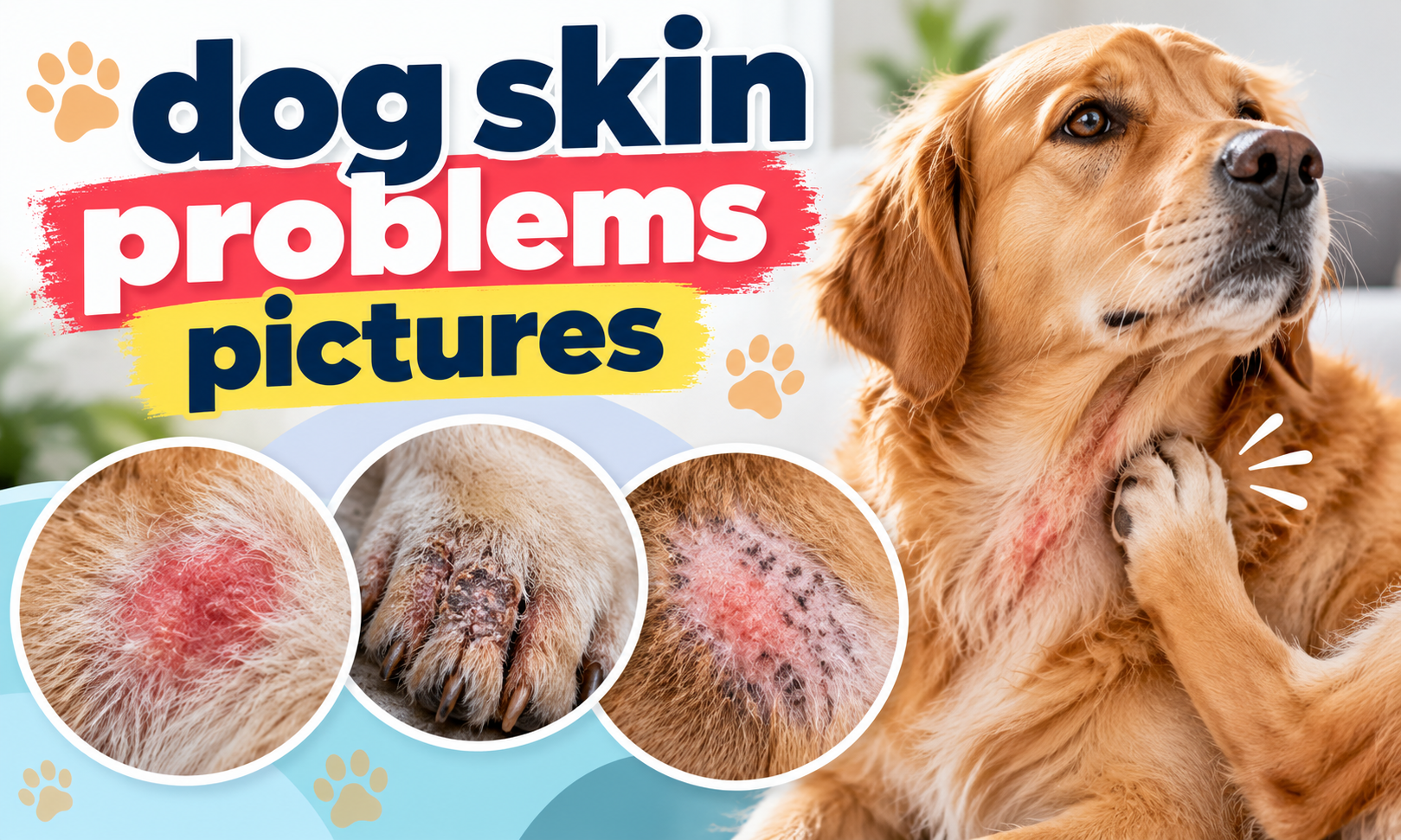
    Searching for dog skin problems pictures can help you recognize patterns such as red patches, bald spots, crusts, greasy skin, circular lesions, or raw sores. However, photographs cannot reliably tell you whether the cause is an allergy, parasite, bacterial infection, yeast overgrowth, fungus, or another medical problem. Several dog skin diseases can look almost identical.

    The WebMD slideshow of dog skin problems shows common examples including allergic dermatitis, yeast infection, folliculitis, ringworm, mange, fleas, hot spots, and skin tumors. Use pictures as a visual starting point, then let a veterinarian confirm the cause before treatment.

    What Can Dog Skin Problem Pictures Tell You?

    A picture can show the shape, location, color, and surface of a lesion. It can also help you document whether a rash is spreading, becoming wetter, losing hair, or developing crusts. These details are useful to a veterinarian.

    What a picture cannot show is the organism or underlying trigger. A red itchy belly could be allergy, fleas, mites, yeast, bacteria, contact irritation, or a combination. Veterinary testing may include skin scrapings, cytology, fungal testing, flea-comb examination, or biopsy.

    What Do Common Dog Skin Problems Look Like?

    Condition Typical visual clues Common locations Contagious?
    Allergic dermatitis Red, itchy skin; licking; recurrent rash Paws, ears, face, belly No
    Yeast dermatitis Red or dark, greasy skin; scale; odor Ears, paws, folds Usually no
    Bacterial pyoderma Pustules, crusts, circular collarettes, hair loss Trunk, belly, folds Usually no
    Hot spots Wet, raw, red, rapidly enlarging sore Head, hips, legs No
    Ringworm Scaly hairless patches, broken hairs, crusts Face, ears, paws Yes
    Sarcoptic mange Intense itch, crusts, redness, hair loss Ears, elbows, chest, belly Yes
    Demodectic mange Patchy hair loss, redness, scaling Face, forelegs, body Generally no
    Flea allergy Scabs, chewing, hair loss Lower back, tail base, thighs Fleas spread

    What Does Allergic Dermatitis Look Like?

    Dogs with allergies often develop red, itchy skin rather than one distinctive lesion. Repeated licking can stain the paws, while scratching can create scabs, broken hairs, and secondary infection. The ears may also become inflamed.

    Food allergy, environmental allergy, flea allergy, and contact irritation can overlap visually. That is why a rash photo cannot identify the allergen by itself.

    What Does a Yeast Infection Look Like on a Dog?

    Yeast dermatitis often produces itching, redness, scales, crusts, greasy skin, a musty odor, and darkening or thickening in chronic cases. VCA Animal Hospitals’ yeast dermatitis guide notes that the paws, ears, and skin folds are common problem areas.

    Yeast normally lives on canine skin. Disease occurs when it grows excessively, often because allergy or another skin problem has changed the skin environment. Microscopic testing can confirm whether yeast is present in abnormal numbers.

    What Does Bacterial Pyoderma Look Like?

    Superficial bacterial pyoderma can create small bumps, pustules, crusts, scales, and circular areas called epidermal collarettes. The Merck Veterinary Manual pyoderma guide also describes bald patches and scabbing as common signs.

    Deep infections can look more serious, with pain, swelling, odor, ulcers, or drainage of blood or pus. Pyoderma often develops because another problem such as allergy, parasites, or hormonal disease has damaged the normal skin barrier.

    What Do Hot Spots Look Like?

    Hot spots are usually easy to recognize because they can become red, wet, inflamed, painful, and oozy very quickly. VCA’s hot spot guide explains that they may appear on the head, legs, or hips and can enlarge rapidly when a dog keeps licking or scratching.

    A hot spot is often a result of self-trauma rather than the original disease. Flea bites, allergies, ear disease, moisture under the coat, or another source of itch may start the cycle.

    What Does Ringworm Look Like?

    Ringworm is a fungal infection, not a worm. Classic pictures may show circular patches of hair loss with scale or crust, especially on the face, ears, paws, or forelegs. Real cases are not always perfectly round.

    Because ringworm can spread to other animals and people, suspicious lesions should be checked rather than treated based on a picture alone. Fungal culture, hair examination, PCR, or other tests may be used.

    What Does Mange Look Like on Dogs?

    Sarcoptic Mange

    Sarcoptic mange usually causes intense itching with red skin, crusts, abrasions, and hair loss. The Merck Veterinary Manual mange guide notes that the ears, elbows, chest, abdomen, and legs are common early sites. This form is highly contagious and can temporarily affect people.

    Demodectic Mange

    Localized demodicosis often appears as one or several small bald, red, scaly patches, especially on the face or forelegs. Generalized disease can cause extensive redness, hair loss, crusting, darkened skin, and secondary bacterial infection.

    Unlike sarcoptic mange, ordinary canine demodicosis is generally not considered contagious between household pets.

    What Do Flea Skin Problems Look Like?

    Flea allergy dermatitis often causes intense chewing, scabs, broken hairs, and thinning fur around the lower back, rump, tail base, and rear thighs. You may also see flea dirt, which looks like dark pepper-like specks in the coat.

    A dog can be highly allergic to flea saliva even when you rarely see an adult flea. Consistent veterinary-approved flea prevention is usually more important than treating the rash alone.

    Can You Diagnose a Dog Skin Disease From a Picture?

    Usually not with confidence. Allergy can lead to yeast and bacterial infections at the same time. Ringworm can resemble folliculitis. Mange can resemble allergy. Hair loss can result from scratching, parasites, infection, endocrine disease, or immune disease.

    Photos are most useful for recording changes and showing the veterinarian what the lesion looked like before clipping, bathing, or applying medication.

    When Should a Dog’s Skin Problem Be Seen by a Vet?

    Arrange veterinary care when itching is persistent, hair loss is spreading, sores ooze, the skin smells bad, lesions are painful, or the same problem keeps returning. Prompt evaluation is also sensible if another pet or person develops itchy or circular lesions.

    Seek faster care for facial swelling, breathing difficulty, widespread blistering, rapidly expanding painful wounds, fever, marked weakness, or a dog that stops eating.

    What Should You Avoid Doing at Home?

    • Do not use leftover antibiotics, steroid creams, or antifungals without veterinary advice.
    • Do not apply essential oils or harsh disinfectants to irritated skin.
    • Do not stop flea prevention just because you cannot see fleas.
    • Do not repeatedly treat an unidentified lump or sore from an online photo.
    • Do not allow constant licking or chewing of a raw lesion if a cone or veterinary barrier is needed.

    Frequently Asked Questions About Dog Skin Problems Pictures

    What Is the Most Common Cause of Itchy Skin in Dogs?

    Allergies and external parasites are common causes, but yeast or bacterial infection may develop secondarily. The distribution of itch plus veterinary testing helps narrow the cause.

    Which Dog Skin Problems Can Spread to Humans?

    Ringworm can infect people, and sarcoptic mange mites can cause temporary itchy skin lesions in humans. Good hygiene and appropriate veterinary treatment help reduce household spread.

    Why Is My Dog Losing Hair in Patches?

    Patchy hair loss can occur with mites, ringworm, bacterial infection, allergy-related scratching, hormonal disease, or other conditions. A picture cannot establish the diagnosis.

    Are Dog Skin Problems an Emergency?

    Most are not emergencies, but breathing difficulty, facial swelling, severe pain, widespread wounds, fever, or major illness need prompt veterinary attention.

    What Is the Bottom Line?

    Dog skin problems pictures can help you recognize patterns, but many conditions overlap visually. Allergies, yeast, pyoderma, hot spots, ringworm, mange, and fleas can all produce combinations of itching, redness, scale, crusts, odor, or hair loss.

    Use photographs as clues, not a diagnosis. The safest approach is to have persistent, spreading, painful, or recurrent skin changes examined so a veterinarian can identify the cause and choose treatment that actually matches it.

  • Why Do My Ankles Swell? Common Causes, Warning Signs, and What Helps

    Why Do My Ankles Swell? Common Causes, Warning Signs, and What Helps

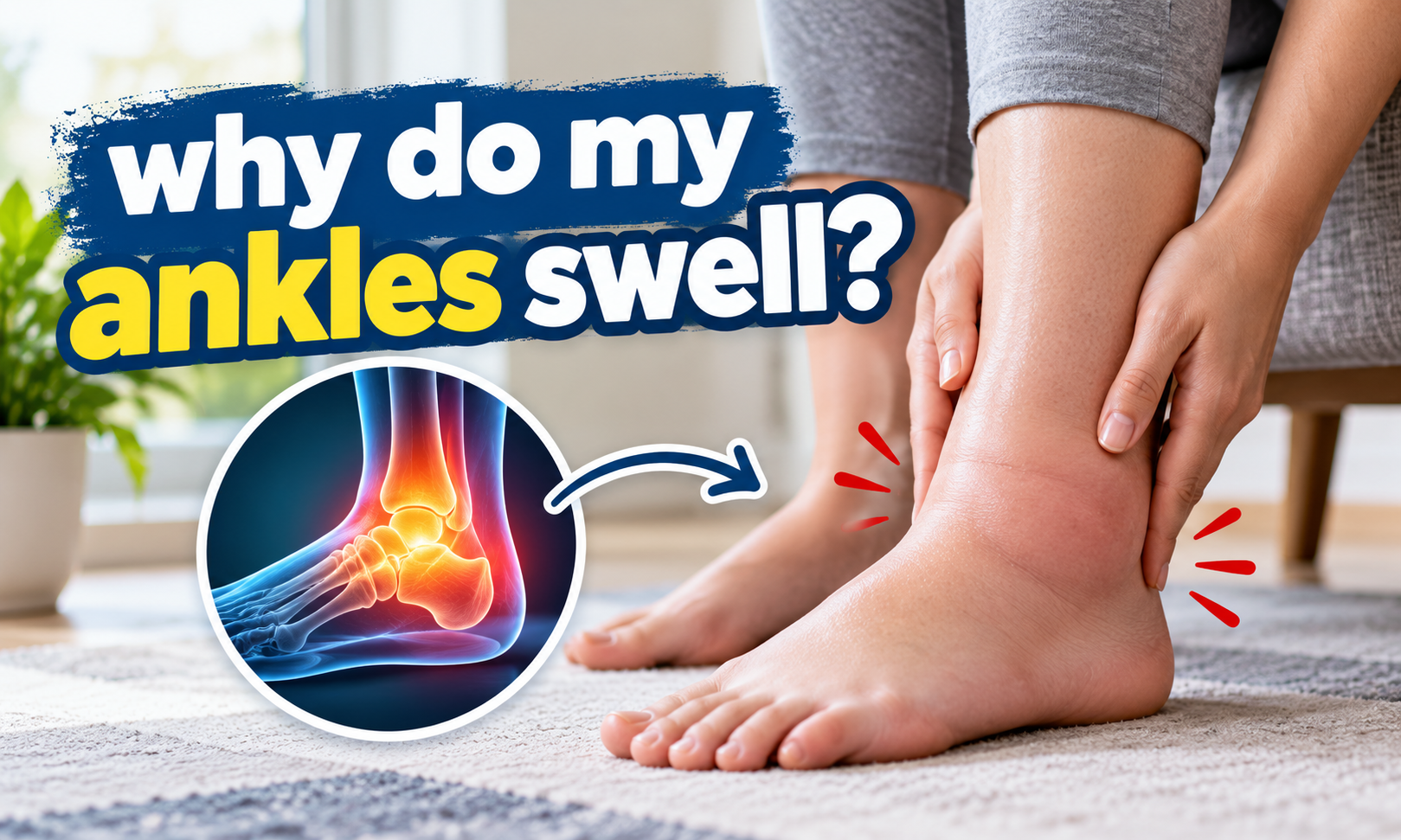
    If you are asking why do my ankles swell, the most common explanation is edema, which means fluid has collected in the tissues around the feet, ankles, or lower legs. Mild swelling can happen after standing for hours, sitting during a long trip, eating a salty meal, being pregnant, or spending time in hot weather. However, ankle swelling can also be linked to vein problems, medication side effects, injury, infection, a blood clot, or heart, kidney, or liver disease.

    The WebMD guide to swollen ankles and feet describes many of these same causes. The pattern matters: swelling in both ankles after a long day is very different from sudden swelling in one leg with pain, warmth, or redness.

    What Causes Swollen Ankles?

    Possible cause Typical pattern What else you may notice
    Long sitting or standing Usually both ankles, worse later in the day Heaviness, tight shoes, improves with movement/elevation
    High salt intake Usually both sides General puffiness or temporary weight gain
    Venous insufficiency Often both ankles, worse after standing Varicose veins, skin discoloration, aching
    Medication side effect Often both ankles Starts after a new drug or dose change
    Injury or infection Often one side Pain, redness, warmth, tenderness
    Blood clot (DVT) Usually one leg Sudden swelling, pain, warmth, redness
    Heart, kidney, or liver disease Often both legs May occur with breathlessness, fatigue, abdominal swelling, or other symptoms

    Can Standing or Sitting Too Long Make Ankles Swell?

    Yes. Gravity makes fluid collect in the lowest parts of the body, so long periods of standing or sitting can cause temporary ankle swelling, especially after flights, long drives, desk work, or standing-heavy jobs.

    MedlinePlus notes that foot, leg, and ankle swelling can occur after prolonged sitting or standing and during long trips. Gentle walking and changing position help the calf muscles pump blood and fluid back toward the heart.

    Can Too Much Salt Cause Ankle Swelling?

    It can. Sodium encourages water retention, so a salty meal can make shoes or socks feel tighter the next day.

    Salt-related swelling is usually mild and affects both sides. Persistent swelling should not automatically be blamed on diet, especially if it keeps returning or appears with other symptoms.

    What Is Venous Insufficiency?

    Leg veins contain valves that help blood move upward. If they weaken, blood can pool in the lower legs and cause chronic venous insufficiency.

    Swelling is often worse after standing and better after lying down with the legs elevated. Varicose veins, aching, heaviness, brownish skin changes, or itchy lower-leg skin may also develop.

    Can Medicines Make Your Ankles Swell?

    Yes. Some blood-pressure medicines, especially calcium channel blockers, can cause ankle edema. Other possible medication-related causes include steroids, hormones, some antidepressants, anti-inflammatory drugs, and certain diabetes medicines.

    Do not stop a prescription drug because you think it is causing swelling. Ask the prescriber whether the timing fits and whether a dose adjustment or alternative is appropriate.

    What Does It Mean if Only One Ankle or Leg Is Swollen?

    One-sided swelling deserves more attention because it can come from an injury, infection, or blocked vein. A sprain may swell around a painful joint, while cellulitis can make skin red, warm, and tender.

    A deep vein thrombosis, or DVT, is a blood clot in a deep leg vein. It can cause sudden swelling, pain, warmth, or color change in one leg, although symptoms are not always dramatic.

    When Is One-Sided Swelling Urgent?

    The NHS guidance on ankle and leg swelling recommends urgent medical assessment for unexplained swelling in one leg, especially if the swelling is severe, painful, sudden, red, or hot. A clot can become life-threatening if it travels to the lungs.

    Can Heart, Kidney, or Liver Problems Cause Swollen Ankles?

    Yes. When the heart, kidneys, or liver cannot manage fluid normally, excess fluid can collect in both legs and ankles and may extend into the calves.

    Heart failure may also cause shortness of breath, reduced exercise tolerance, or difficulty breathing when lying flat. Kidney disease can cause swelling in the legs or around the eyes, while advanced liver disease may cause swelling in the legs and abdomen. These symptoms need medical evaluation rather than home treatment alone.

    What Is Pitting Edema?

    Pitting edema means a dent remains briefly after pressing the swollen skin. It shows fluid in the tissues but does not identify the cause.

    According to Cleveland Clinic’s edema overview, edema can be localized around an injury or more generalized when a medical condition affects fluid balance. Whether swelling pits is useful information to tell a clinician, but it is not a diagnosis by itself.

    Why Do Ankles Swell During Pregnancy?

    Mild swelling of both ankles is common during pregnancy because blood volume rises and the growing uterus increases pressure on leg veins.

    Sudden or severe swelling is different. New swelling involving the face or hands, especially with headache, vision changes, upper-abdominal pain, or high blood pressure, can be a sign of preeclampsia and requires urgent obstetric assessment.

    What Can Help Mild Ankle Swelling at Home?

    • Raise your legs when resting, ideally so the ankles are above heart level.
    • Take regular walking or movement breaks if you sit or stand for long periods.
    • Avoid tight socks, shoes, or clothing that restricts the legs.
    • Reduce very salty foods if sodium appears to make swelling worse.
    • Wear comfortable footwear and keep swollen skin clean and moisturized.
    • Ask a clinician whether compression stockings are appropriate if swelling is recurrent.

    Compression stockings can help some types of venous swelling, but they are not appropriate for every circulation problem. If swelling is new, severe, one-sided, or unexplained, get the cause assessed before relying on compression.

    When Should Swollen Ankles Be Checked by a Doctor?

    Make an appointment if swelling has no obvious cause, keeps returning, lasts several days despite self-care, or is worsening. Also seek advice if you have heart, kidney, liver, or vein disease and the swelling changes.

    A clinician may review your medications, examine the heart and lungs, check blood and urine tests, or order an ultrasound of the leg veins depending on the pattern.

    Which Symptoms Need Emergency Care?

    • Shortness of breath or difficulty breathing
    • Chest pain, pressure, or tightness
    • Coughing up blood
    • Fainting, severe lightheadedness, confusion, or clammy skin
    • Sudden one-sided leg swelling with pain or warmth

    These symptoms can occur with a blood clot in the lungs, serious heart problems, or another urgent condition. Seek emergency medical care rather than trying to reduce the swelling at home.

    Frequently Asked Questions About Swollen Ankles

    Why Are My Ankles Swollen at the End of the Day?

    Gravity and prolonged standing commonly cause fluid to pool in the ankles by evening. Recurrent, painful, or skin-changing swelling deserves medical review.

    Why Do My Ankles Swell After a Flight?

    Sitting with the legs down for hours reduces the normal calf-muscle pumping that helps return blood and fluid upward. Walking periodically and moving the ankles can help. New one-sided swelling or pain after travel needs assessment for a possible blood clot.

    Can Dehydration Cause Swollen Ankles?

    Dehydration is not one of the main causes of persistent ankle edema. Swelling is more commonly related to gravity, salt, veins, medications, pregnancy, inflammation, or medical conditions affecting fluid balance.

    Will Drinking More Water Reduce Ankle Swelling?

    Not necessarily. Normal hydration is important, but swelling has many causes. If a clinician has told you to limit fluids because of heart or kidney disease, follow that plan rather than increasing water intake on your own.

    What Is the Bottom Line?

    Swollen ankles are often caused by temporary fluid buildup after prolonged sitting, standing, travel, heat, pregnancy, or a salty meal. They can also result from venous insufficiency, medication side effects, injury, infection, blood clots, or heart, kidney, and liver disease.

    The pattern is the key clue. Mild swelling in both ankles that improves with movement and elevation is usually less urgent than sudden unexplained swelling in one leg. Chest pain, shortness of breath, coughing up blood, or faintness with leg swelling requires emergency care.

  • Is Balsamic Vinegar Good for You? Benefits, Nutrition, and Possible Risks

    Is Balsamic Vinegar Good for You? Benefits, Nutrition, and Possible Risks

    If you are wondering is balsamic vinegar good for you, the answer is generally yes when it is used in normal food amounts. Plain balsamic vinegar is low in calories, contains no fat, and can add strong flavor to vegetables, salads, beans, and other foods without much sodium. Its acetic acid may also modestly influence blood sugar after meals, although most research looks at vinegar in general rather than balsamic vinegar specifically.

    According to WebMD’s balsamic vinegar guide, one tablespoon of balsamic vinegar provides about 14 calories, 3 grams of carbohydrate, and 2 grams of sugar. That makes it a flavorful condiment, but not a nutrient-dense food or a treatment for disease.

    What Is Balsamic Vinegar?

    Traditional balsamic vinegar is made from concentrated grape must that is fermented and aged in wooden barrels. Commercial versions are produced more quickly and may combine wine vinegar with grape must or other ingredients.

    The main acid is acetic acid, which gives vinegar its tart flavor and is responsible for many of the metabolic effects studied across vinegars. Darker vinegars may also contain small amounts of polyphenols.

    What Are the Main Nutrition Facts?

    Nutrition / feature About 1 tablespoon of plain balsamic vinegar What it means
    Calories About 14 Low-calorie way to add flavor
    Fat 0 g Can replace some higher-fat sauces
    Carbohydrate About 3 g Mostly from grape-derived sugars
    Sugar About 2 g Small in plain vinegar, higher in glazes
    Sodium Very low in many brands Useful when reducing salty condiments
    Acetic acid Roughly 6% in balsamic vinegar Responsible for acidity and many studied vinegar effects

    Can Balsamic Vinegar Help With Blood Sugar?

    Possibly, but the evidence is stronger for vinegar and acetic acid generally than for balsamic vinegar alone. Several clinical studies have found that consuming vinegar with a carbohydrate-containing meal can reduce the rise in blood glucose and insulin afterward.

    A systematic review and meta-analysis indexed in PubMed found that vinegar consumption reduced post-meal glucose and insulin responses across controlled trials. A 2019 review also concluded that roughly 10 to 30 milliliters of vinegar with carbohydrate-rich meals may improve acute glycemic response, although long-term evidence is much more limited.

    Balsamic vinegar cannot replace diabetes medication, a balanced diet, or medical care. People using insulin or glucose-lowering drugs should be cautious with large amounts.

    Does Balsamic Vinegar Help With Weight Loss?

    There is no strong evidence that balsamic vinegar by itself causes meaningful weight loss. Some vinegar studies suggest small effects on body weight or appetite, but results are inconsistent and many trials are small.

    The more practical benefit is culinary: it can add flavor to vegetables, lean proteins, and salads without the calories of creamy dressings or sugary sauces.

    Is Balsamic Vinegar Good for Heart Health?

    Balsamic vinegar often appears in Mediterranean-style eating, but heart health depends on the overall diet, including vegetables, fruits, legumes, whole grains, nuts, fish, and olive oil.

    A 2026 umbrella review of vinegar trials reported modest improvements in fasting glucose, post-meal glucose, total cholesterol, body weight, and systolic blood pressure, but not all lipid outcomes improved. These findings apply to vinegar consumption broadly and do not prove that balsamic vinegar prevents heart attacks or strokes.

    Does Balsamic Vinegar Have Antioxidants?

    Balsamic vinegar contains grape-derived polyphenols, and laboratory research has identified antioxidant compounds in several vinegars.

    The amount from a tablespoon is small compared with whole plant foods, so balsamic vinegar is better viewed as a flavorful addition than a major antioxidant source.

    Is Balsamic Vinegar Good for Digestion?

    Claims that vinegar ‘detoxes’ the digestive system or dramatically improves gut health are not well supported. Acetic acid can influence gastric emptying and digestion of carbohydrate, which may partly explain the effect on post-meal glucose.

    A small study in people with type 1 diabetes and gastroparesis found that vinegar slowed gastric emptying further. Anyone with gastroparesis should discuss regular medicinal vinegar use with a clinician.

    Can Balsamic Vinegar Damage Your Teeth?

    Yes, if acidic vinegar is frequently sipped or held in the mouth. Acids can dissolve tooth enamel over time.

    The American Dental Association’s guidance on dental erosion explains that repeated dietary-acid exposure can contribute to irreversible enamel loss. The ADA specifically advises reducing frequent exposure to acidic foods and drinks, rinsing with water afterward, and avoiding brushing immediately after an acid exposure.

    Using balsamic vinegar with a meal is less concerning than drinking vinegar shots or sipping acidic drinks over long periods.

    Can It Cause Heartburn or Throat Irritation?

    It can. Vinegar is strongly acidic, and large amounts may irritate the throat or worsen reflux in people who are sensitive to acidic foods. WebMD specifically lists heartburn and enamel erosion as concerns when balsamic vinegar is used excessively.

    If balsamic reliably triggers burning, regurgitation, throat discomfort, or stomach pain, reduce the amount or avoid it rather than forcing yourself to consume it for a supposed health benefit.

    What Is the Difference Between Balsamic Vinegar and Balsamic Glaze?

    Plain balsamic vinegar is relatively low in calories and sugar. Balsamic glaze or reduction is more concentrated and may contain added sugar or thickeners.

    A drizzle of glaze can still fit into a healthy diet, but it should not be treated as nutritionally identical to plain vinegar. Check the label for total sugar and added sugar if blood glucose or calorie intake matters.

    How Much Balsamic Vinegar Is Reasonable?

    There is no official daily requirement or medically established dose. For ordinary food use, one or two tablespoons in a meal or dressing is practical for many people.

    More is not necessarily better, especially for someone taking diabetes medication or other drugs that affect glucose or potassium.

    Who Should Be Careful With Balsamic Vinegar?

    • People with frequent acid reflux or throat irritation
    • People with dental enamel erosion or very sensitive teeth
    • People with gastroparesis or delayed stomach emptying
    • People taking insulin or other glucose-lowering medication
    • People trying to limit added sugar who use balsamic glaze rather than plain vinegar

    How Can You Use Balsamic Vinegar in a Healthy Way?

    • Mix it with olive oil, herbs, and mustard for a simple salad dressing.
    • Drizzle a small amount over tomatoes, roasted vegetables, beans, or lentils.
    • Use it to add flavor to chicken, fish, mushrooms, or tofu.
    • Pair it with strawberries, peaches, or other fruit instead of a sugary dessert sauce.
    • Choose plain balsamic vinegar more often than sweetened balsamic glaze.

    Frequently Asked Questions About Balsamic Vinegar

    Is Balsamic Vinegar Good for Diabetics?

    It can be used as part of a diabetes-friendly diet, and vinegar may modestly reduce post-meal glucose responses. It should not replace medication or individualized nutrition advice. People taking glucose-lowering drugs should monitor carefully.

    Is Balsamic Vinegar Better Than Apple Cider Vinegar?

    Neither is clearly superior for health. Both contain acetic acid. Balsamic vinegar contains more carbohydrate and sugar because it is grape-based, while apple cider vinegar is usually lower in sugar. Flavor and how you use it may matter more than small nutritional differences.

    Can You Drink Balsamic Vinegar Straight?

    It is better used with food or diluted rather than taken as a concentrated shot. Straight vinegar can irritate the throat and expose teeth to strong acid.

    Does Balsamic Vinegar Need to Be Refrigerated?

    Usually no. Keep it tightly closed in a cool, dark place unless the manufacturer says otherwise.

    What Is the Bottom Line?

    Balsamic vinegar can be a healthy condiment because it is low in calories, flavorful, and useful for replacing heavier sauces. Acetic acid in vinegar may modestly improve post-meal glucose response, but most research does not prove that balsamic vinegar itself prevents disease or causes weight loss.

    Use it as part of meals rather than as a health shot. Plain vinegar is generally preferable to sugary glaze, and people with reflux, gastroparesis, dental erosion, or glucose-lowering medication should be more cautious. The real benefit is that balsamic vinegar can make healthy foods taste better without adding much fat, sodium, or calories.

  • Side Effects of Stopping the Pill After Prolonged Use: What to Expect

    Side Effects of Stopping the Pill After Prolonged Use: What to Expect

    The side effects of stopping the pill after prolonged use are usually temporary changes as your own hormonal cycle resumes. Long-term pill use does not make the body dependent on birth control hormones, and most people do not need to taper the dose. What often feels like a new side effect is actually the return of symptoms the pill had been suppressing, such as acne, heavy periods, cramps, PMS, or menstrual headaches.

    The WebMD guide to stopping the pill notes that periods may be irregular for a few months, fertility can return quickly, and symptoms such as acne, PMS, headaches, or heavier bleeding may return. The exact experience depends on the type of pill, your cycle before starting it, your age, and why you were taking it.

    What Changes Can Happen After You Stop the Pill?

    Possible change Why it happens Typical pattern
    Irregular periods Natural ovulation is restarting Often settles within a few cycles
    Heavier bleeding or cramps The pill may have been suppressing them May return to the pre-pill pattern
    Acne or oilier skin Androgen effects are no longer reduced by the pill May return over weeks to months
    PMS or mood changes Natural hormone fluctuations resume Often cyclical
    Headaches Hormone patterns change after stopping May improve or return depending on the person
    Breast tenderness changes Pill-related tenderness may ease Often improves after stopping
    Sex-drive changes Hormonal and personal factors shift Can rise, fall, or stay the same
    Pregnancy risk returns Ovulation can resume quickly Possible before the first natural period

    How Soon Do Your Hormones Return to Normal?

    The pill hormones leave the body quickly. What takes longer is the return of your usual ovulation and menstrual pattern. Some people ovulate within weeks, while others have irregular cycles for several months.

    Mayo Clinic explains that ovulation can restart within a few weeks after stopping birth control pills, which means pregnancy can occur before the first period after stopping.

    Will Your Period Be Irregular After Long-Term Use?

    It can be. Bleeding on many combination pills is controlled by the pill schedule rather than a natural ovulatory cycle. After stopping, normal hormonal signaling resumes.

    Periods may be early, late, lighter, heavier, or briefly absent. If cycles were irregular before the pill, they may become irregular again.

    What if Your Period Does Not Come Back?

    If you have not had a period within about three months after stopping the pill, take a pregnancy test and contact a healthcare professional. ACOG advises medical review when someone who is not using birth control has gone three months or more without a period.

    Causes unrelated to the pill can include pregnancy, polycystic ovary syndrome, major weight change, intense exercise, thyroid disorders, elevated prolactin, or other hormonal conditions.

    Can Heavy Periods and Cramps Return?

    Yes. Combination pills often make bleeding lighter and cramps less intense, so pre-existing heavy or painful periods may return after stopping.

    The NHS combined-pill guidance notes that the pill can help with heavy or painful periods, PMS, acne, and endometriosis symptoms. Stopping removes those treatment effects.

    Very heavy bleeding, faintness, severe pelvic pain, or bleeding that repeatedly disrupts normal activity deserves medical assessment rather than being assumed to be a normal post-pill adjustment.

    Can Acne Come Back After Stopping the Pill?

    Yes. Some combination birth control pills reduce androgen effects and improve acne. Once the pill is stopped, that benefit can disappear, particularly if acne was present before treatment.

    If acne becomes severe, painful, or scarring, a clinician or dermatologist can discuss non-contraceptive treatment options.

    Can PMS or Mood Symptoms Change?

    Natural hormonal fluctuations resume after stopping the pill, so PMS symptoms such as irritability, bloating, breast discomfort, or low mood can return.

    Mood does not change in a predictable direction for everyone. Some people feel better off the pill, some notice no difference, and others find that pre-existing cyclical mood symptoms return. Persistent depression, severe anxiety, or thoughts of self-harm require prompt professional care.

    What Happens to Sex Drive?

    Sex drive may increase, decrease, or stay unchanged. Stress, relationships, sleep, pain, medicines, and mental health also affect desire.

    WebMD notes that some people who experienced reduced desire while taking hormonal contraception notice an increase after stopping, but this is not universal.

    Will You Gain or Lose Weight After Stopping the Pill?

    A large, predictable weight change is not expected. Small changes in water retention or bloating can occur, but stopping the pill is not a weight-loss method.

    The NHS states that evidence does not show the combined pill itself causes weight gain. Changes on the scale after stopping may reflect normal fluid shifts, aging, diet, activity, or other factors rather than a direct withdrawal effect.

    Does Long-Term Pill Use Delay Fertility?

    Usually not. Fertility can return rapidly after oral contraceptives are stopped, even after years of use, and long-term use does not appear to cause permanent infertility.

    A comprehensive review indexed in PubMed found that 12-month conception rates after stopping oral contraceptives were similar to rates after stopping other reversible contraceptive methods. A short delay in conception can occur during the first few months, but the effect is generally temporary.

    Age remains important. Someone who used the pill for many years is older when they stop, so age-related fertility changes can be mistaken for an effect of prolonged pill use.

    Do You Need to Taper Off Birth Control Pills?

    No. Birth control pills do not require tapering. They can be stopped at any point. Finishing the current pack may make bleeding more predictable, but it is not medically necessary for most people.

    If you do not want to become pregnant, arrange another contraceptive method immediately. Protection from the pill ends quickly, and ovulation can occur before the first natural period.

    What Can Help During the Adjustment?

    • Track periods, bleeding, pain, headaches, skin changes, and mood for the first few cycles.
    • Keep another contraceptive method ready if pregnancy is not desired.
    • Use standard menstrual pain relief if it is safe for you and recommended by your clinician.
    • Maintain regular sleep, exercise, and meals to make cyclical symptoms easier to track.
    • Discuss severe acne, heavy bleeding, migraine changes, or significant mood symptoms with a clinician.

    When Should You Contact a Doctor After Stopping the Pill?

    Seek medical advice if you have no period for three months after pregnancy is ruled out, unusually heavy bleeding, or severe or persistent pelvic pain. Intense or worsening new symptoms also deserve review.

    If you stopped because you want to conceive, preconception care can include reviewing medications, starting folic acid, updating vaccines, and discussing any medical conditions that could affect pregnancy.

    Frequently Asked Questions About Stopping the Pill

    How Long Do Side Effects Last After Stopping the Pill?

    Many changes settle within a few weeks to several months. Menstrual cycles may take a few cycles to become predictable, especially if they were irregular before starting the pill.

    Can You Get Pregnant Immediately After Stopping?

    Yes. Ovulation may occur before the first post-pill period, so pregnancy is possible within the first few weeks after stopping.

    Does the Pill Stay in Your Body for Years?

    No. Pill hormones leave the body quickly. Longer-lasting cycle changes reflect the return of your own hormone pattern, not birth control hormones remaining in your system.

    Can Stopping the Pill Cause Hair Changes?

    Some people notice temporary changes in hair shedding after major hormonal shifts. Persistent or substantial hair loss should be assessed because thyroid disease, iron deficiency, stress, and other conditions can also cause it.

    What Is the Bottom Line?

    The side effects of stopping the pill after prolonged use are usually temporary and often represent the return of the person’s natural cycle. Irregular periods, heavier bleeding, cramps, PMS, acne, headaches, and changes in sexual desire can occur, while pill-related breast tenderness or other side effects may improve.

    Long-term pill use does not usually damage future fertility, and there is no need to taper. Because pregnancy can occur quickly, use another contraceptive method immediately if needed. If periods do not return within three months, or symptoms are severe or unusual, arrange medical evaluation.

  • Are Peanuts Bad for Dogs? Safe Types, Risks, and Peanut Butter Warnings

    Are Peanuts Bad for Dogs? Safe Types, Risks, and Peanut Butter Warnings

    If you are asking are peanuts bad for dogs, plain peanuts are not considered toxic to dogs, but they are not an ideal everyday treat either. A few plain, shelled, unsalted peanuts can be safe for many healthy dogs. Problems are more likely when peanuts are eaten in large quantities, come with shells, contain a lot of salt or seasoning, or are part of a product containing ingredients that are dangerous to dogs.

    The WebMD guide to dogs and peanuts recommends small amounts of unsalted, unseasoned, dry-roasted peanuts and emphasizes moderation. Peanuts are high in fat and calories, so they should be treated as an occasional extra rather than a meaningful part of a dog’s balanced diet.

    Which Peanuts Are Safe and Which Should Dogs Avoid?

    Peanut product Usually safe? Main concern
    Plain, shelled, unsalted peanuts Yes, in small amounts High fat and calories
    Dry-roasted plain peanuts Yes, in small amounts Still calorie-dense
    Salted peanuts Best avoided Excess sodium
    Honey-roasted or flavored peanuts Avoid Sugar, salt, spices, or unsafe coatings
    Peanuts in the shell Avoid Choking and digestive obstruction risk
    Chocolate-covered peanuts No Chocolate toxicity plus fat and sugar
    Mixed nuts Best avoided May contain toxic macadamia nuts or unsafe seasonings
    Peanut butter with xylitol Emergency Xylitol can cause severe hypoglycemia and liver injury

    Why Can Too Many Peanuts Be a Problem?

    Peanuts contain substantial fat and calories. Dogs do need dietary fat, but their complete dog food already provides the amount and balance they require. Adding calorie-dense snacks on top can contribute to unwanted weight gain.

    A sudden high-fat meal may also trigger gastrointestinal upset or pancreatitis in susceptible dogs. Pancreatitis is inflammation of the pancreas and can cause vomiting, reduced appetite, abdominal pain, diarrhea, and lethargy. Dogs with a previous history of pancreatitis or a veterinarian-prescribed low-fat diet should usually avoid peanuts unless their veterinary team approves them.

    How Many Peanuts Can a Dog Have?

    There is no single peanut count that is appropriate for every dog. Body size, calorie needs, weight, medical conditions, and the rest of the diet all matter. VCA Animal Hospitals recommends keeping treats and other nutritionally incomplete extras to no more than about 10% of a dog’s daily calories, with the remaining 90% coming from a complete and balanced diet.

    Because peanuts are calorie-dense, even a small quantity can use up a meaningful part of a small dog’s treat allowance. For occasional feeding, think in terms of a few plain peanuts rather than handfuls, and do not make them an automatic daily snack.

    Are Salted or Flavored Peanuts Safe for Dogs?

    They are poor choices. Salted peanuts can add far more sodium than a dog needs, while flavored products may contain garlic, onion seasoning, chocolate, spicy coatings, or large amounts of sugar.

    If your dog steals one or two ordinary salted peanuts, that is unlikely to cause a problem in most healthy dogs. A large quantity, a heavily seasoned product, or a snack with an unknown ingredient list is different. Keep the package so a veterinarian can check exactly what was eaten.

    Why Are Peanut Shells Unsafe?

    Peanut shells are fibrous and difficult to digest. They can become a choking hazard, particularly for a small dog, and larger amounts may contribute to gastrointestinal blockage.

    If a dog swallows shells, watch for repeated vomiting, loss of appetite, abdominal discomfort, straining to defecate, unusual lethargy, or inability to keep food and water down. Those signs deserve veterinary attention.

    Can Dogs Eat Peanut Butter?

    Many dogs can have a small amount of peanut butter if the ingredient list is dog-safe. A simple product made primarily from peanuts, without xylitol and with little or no added salt or sugar, is the safest option.

    Peanut butter is even more calorie-dense than whole peanuts, so a thick spoonful can contain many calories for a small dog. It works best as an occasional treat, a thin layer in an enrichment toy, or a small amount used to hide medication when appropriate.

    Why Is Xylitol in Peanut Butter Dangerous?

    Xylitol is a sweetener that may appear in some sugar-free or reduced-sugar foods, including certain nut butters. The U.S. Food and Drug Administration warns that xylitol can trigger a rapid release of insulin in dogs, causing a dangerous drop in blood sugar. Severe poisoning can also damage the liver.

    Warning signs can include vomiting, weakness, loss of coordination, collapse, shaking, or seizures. If a dog may have eaten xylitol, contact a veterinarian, emergency animal hospital, or animal poison service immediately. Do not wait for symptoms to appear.

    Should You Make a Dog Vomit After Xylitol Exposure?

    Do not try home vomiting remedies unless a veterinary professional specifically instructs you to do so. The Merck Veterinary Manual notes that xylitol can be absorbed quickly and may cause profound hypoglycemia. Veterinary monitoring of blood glucose and liver values may be needed.

    Can Dogs Be Allergic to Peanuts?

    Food allergies in dogs are possible, although peanut allergy appears to be uncommon. A first exposure should be small so you can notice an unexpected reaction.

    Contact a veterinarian if a new food is followed by persistent itching, hives, facial swelling, vomiting, or diarrhea. Difficulty breathing, collapse, or rapidly worsening facial swelling is an emergency.

    Which Dogs Should Avoid Peanuts?

    • Dogs with pancreatitis or a history of pancreatitis
    • Dogs on a veterinarian-prescribed low-fat diet
    • Dogs that are overweight or on a calorie-restricted plan
    • Dogs with a medical condition requiring strict sodium control
    • Dogs on prescription diets that should not receive outside treats
    • Dogs that develop digestive upset or an allergic reaction after peanuts

    What Should You Do if Your Dog Ate a Lot of Peanuts?

    First identify what was eaten: plain peanuts, shells, salted or flavored peanuts, mixed nuts, candy, or peanut butter. Check the ingredient label for xylitol, chocolate, macadamia nuts, garlic, onion, or other potentially harmful ingredients.

    For a large amount of plain peanuts, call your veterinarian if the dog develops vomiting, diarrhea, abdominal pain, marked lethargy, or loss of appetite. Dogs with previous pancreatitis, very small dogs, and dogs with other health conditions may need advice sooner.

    Are Peanuts Healthier Than Regular Dog Treats?

    Not necessarily. Peanuts provide protein, vitamin E, niacin, and other nutrients, but a complete dog food already supplies essential nutrition in appropriate proportions. The fact that peanuts contain nutrients does not make them necessary for dogs.

    For frequent rewards, pieces of the dog’s regular kibble or a veterinarian-approved lower-calorie treat may be easier to fit into the daily calorie budget.

    Frequently Asked Questions About Peanuts and Dogs

    Can Dogs Eat Dry-Roasted Peanuts?

    Yes, if they are plain, shelled, and unsalted. Keep the portion small because dry-roasted peanuts are still high in fat and calories.

    Can Dogs Eat Raw Peanuts?

    Plain shelled raw peanuts can be eaten in small amounts, but dry-roasted human-quality peanuts are often a simpler choice. Never feed moldy, stale, or spoiled nuts.

    Can Dogs Eat Honey-Roasted Peanuts?

    It is better not to. Honey-roasted peanuts add unnecessary sugar and often salt or flavorings. Some specialty coatings may contain additional ingredients that are unsafe for dogs.

    Can Dogs Eat Peanut Butter Every Day?

    Daily peanut butter can add calories quickly. If it is used regularly for medication or enrichment, count those calories within the dog’s treat allowance and confirm that the product is xylitol-free.

    What Is the Bottom Line?

    Plain peanuts are not inherently bad or poisonous to dogs. A few shelled, unsalted, unseasoned peanuts can be an occasional treat for many healthy dogs, but their high fat and calorie content makes moderation important.

    The bigger risks come from shells, large portions, salt, flavored coatings, mixed nuts, and unsafe peanut-butter ingredients. Always check peanut butter for xylitol. If xylitol was eaten, or your dog develops severe vomiting, weakness, collapse, seizures, or significant abdominal pain, contact a veterinarian immediately.