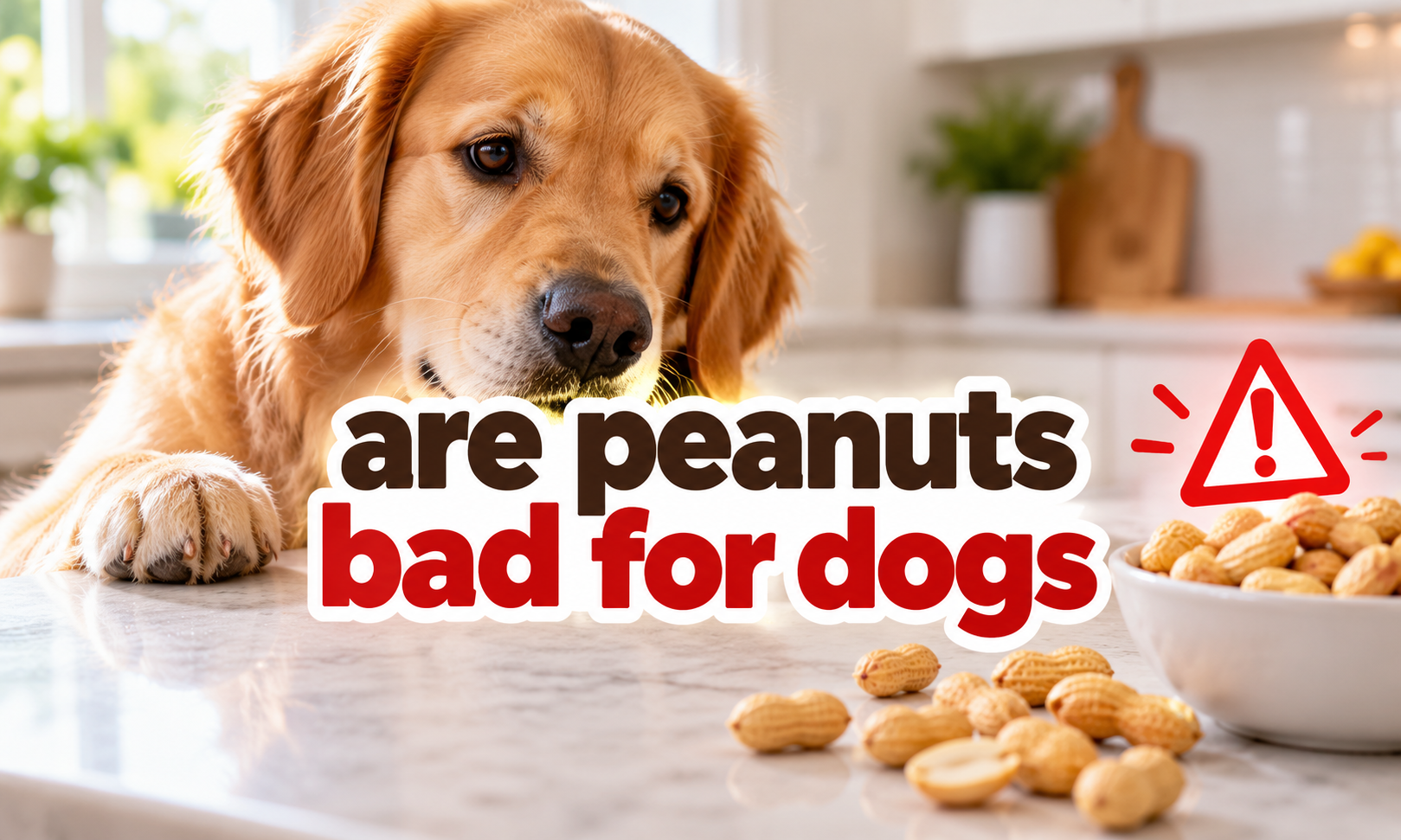
If you are asking are peanuts bad for dogs, plain peanuts are not considered toxic to dogs, but they are not an ideal everyday treat either. A few plain, shelled, unsalted peanuts can be safe for many healthy dogs. Problems are more likely when peanuts are eaten in large quantities, come with shells, contain a lot of salt or seasoning, or are part of a product containing ingredients that are dangerous to dogs.
The WebMD guide to dogs and peanuts recommends small amounts of unsalted, unseasoned, dry-roasted peanuts and emphasizes moderation. Peanuts are high in fat and calories, so they should be treated as an occasional extra rather than a meaningful part of a dog’s balanced diet.
Which Peanuts Are Safe and Which Should Dogs Avoid?
| Peanut product | Usually safe? | Main concern |
| Plain, shelled, unsalted peanuts | Yes, in small amounts | High fat and calories |
| Dry-roasted plain peanuts | Yes, in small amounts | Still calorie-dense |
| Salted peanuts | Best avoided | Excess sodium |
| Honey-roasted or flavored peanuts | Avoid | Sugar, salt, spices, or unsafe coatings |
| Peanuts in the shell | Avoid | Choking and digestive obstruction risk |
| Chocolate-covered peanuts | No | Chocolate toxicity plus fat and sugar |
| Mixed nuts | Best avoided | May contain toxic macadamia nuts or unsafe seasonings |
| Peanut butter with xylitol | Emergency | Xylitol can cause severe hypoglycemia and liver injury |
Why Can Too Many Peanuts Be a Problem?
Peanuts contain substantial fat and calories. Dogs do need dietary fat, but their complete dog food already provides the amount and balance they require. Adding calorie-dense snacks on top can contribute to unwanted weight gain.
A sudden high-fat meal may also trigger gastrointestinal upset or pancreatitis in susceptible dogs. Pancreatitis is inflammation of the pancreas and can cause vomiting, reduced appetite, abdominal pain, diarrhea, and lethargy. Dogs with a previous history of pancreatitis or a veterinarian-prescribed low-fat diet should usually avoid peanuts unless their veterinary team approves them.
How Many Peanuts Can a Dog Have?
There is no single peanut count that is appropriate for every dog. Body size, calorie needs, weight, medical conditions, and the rest of the diet all matter. VCA Animal Hospitals recommends keeping treats and other nutritionally incomplete extras to no more than about 10% of a dog’s daily calories, with the remaining 90% coming from a complete and balanced diet.
Because peanuts are calorie-dense, even a small quantity can use up a meaningful part of a small dog’s treat allowance. For occasional feeding, think in terms of a few plain peanuts rather than handfuls, and do not make them an automatic daily snack.
Are Salted or Flavored Peanuts Safe for Dogs?
They are poor choices. Salted peanuts can add far more sodium than a dog needs, while flavored products may contain garlic, onion seasoning, chocolate, spicy coatings, or large amounts of sugar.
If your dog steals one or two ordinary salted peanuts, that is unlikely to cause a problem in most healthy dogs. A large quantity, a heavily seasoned product, or a snack with an unknown ingredient list is different. Keep the package so a veterinarian can check exactly what was eaten.
Why Are Peanut Shells Unsafe?
Peanut shells are fibrous and difficult to digest. They can become a choking hazard, particularly for a small dog, and larger amounts may contribute to gastrointestinal blockage.
If a dog swallows shells, watch for repeated vomiting, loss of appetite, abdominal discomfort, straining to defecate, unusual lethargy, or inability to keep food and water down. Those signs deserve veterinary attention.
Can Dogs Eat Peanut Butter?
Many dogs can have a small amount of peanut butter if the ingredient list is dog-safe. A simple product made primarily from peanuts, without xylitol and with little or no added salt or sugar, is the safest option.
Peanut butter is even more calorie-dense than whole peanuts, so a thick spoonful can contain many calories for a small dog. It works best as an occasional treat, a thin layer in an enrichment toy, or a small amount used to hide medication when appropriate.
Why Is Xylitol in Peanut Butter Dangerous?
Xylitol is a sweetener that may appear in some sugar-free or reduced-sugar foods, including certain nut butters. The U.S. Food and Drug Administration warns that xylitol can trigger a rapid release of insulin in dogs, causing a dangerous drop in blood sugar. Severe poisoning can also damage the liver.
Warning signs can include vomiting, weakness, loss of coordination, collapse, shaking, or seizures. If a dog may have eaten xylitol, contact a veterinarian, emergency animal hospital, or animal poison service immediately. Do not wait for symptoms to appear.
Should You Make a Dog Vomit After Xylitol Exposure?
Do not try home vomiting remedies unless a veterinary professional specifically instructs you to do so. The Merck Veterinary Manual notes that xylitol can be absorbed quickly and may cause profound hypoglycemia. Veterinary monitoring of blood glucose and liver values may be needed.
Can Dogs Be Allergic to Peanuts?
Food allergies in dogs are possible, although peanut allergy appears to be uncommon. A first exposure should be small so you can notice an unexpected reaction.
Contact a veterinarian if a new food is followed by persistent itching, hives, facial swelling, vomiting, or diarrhea. Difficulty breathing, collapse, or rapidly worsening facial swelling is an emergency.
Which Dogs Should Avoid Peanuts?
- Dogs with pancreatitis or a history of pancreatitis
- Dogs on a veterinarian-prescribed low-fat diet
- Dogs that are overweight or on a calorie-restricted plan
- Dogs with a medical condition requiring strict sodium control
- Dogs on prescription diets that should not receive outside treats
- Dogs that develop digestive upset or an allergic reaction after peanuts
What Should You Do if Your Dog Ate a Lot of Peanuts?
First identify what was eaten: plain peanuts, shells, salted or flavored peanuts, mixed nuts, candy, or peanut butter. Check the ingredient label for xylitol, chocolate, macadamia nuts, garlic, onion, or other potentially harmful ingredients.
For a large amount of plain peanuts, call your veterinarian if the dog develops vomiting, diarrhea, abdominal pain, marked lethargy, or loss of appetite. Dogs with previous pancreatitis, very small dogs, and dogs with other health conditions may need advice sooner.
Are Peanuts Healthier Than Regular Dog Treats?
Not necessarily. Peanuts provide protein, vitamin E, niacin, and other nutrients, but a complete dog food already supplies essential nutrition in appropriate proportions. The fact that peanuts contain nutrients does not make them necessary for dogs.
For frequent rewards, pieces of the dog’s regular kibble or a veterinarian-approved lower-calorie treat may be easier to fit into the daily calorie budget.
Frequently Asked Questions About Peanuts and Dogs
Can Dogs Eat Dry-Roasted Peanuts?
Yes, if they are plain, shelled, and unsalted. Keep the portion small because dry-roasted peanuts are still high in fat and calories.
Can Dogs Eat Raw Peanuts?
Plain shelled raw peanuts can be eaten in small amounts, but dry-roasted human-quality peanuts are often a simpler choice. Never feed moldy, stale, or spoiled nuts.
Can Dogs Eat Honey-Roasted Peanuts?
It is better not to. Honey-roasted peanuts add unnecessary sugar and often salt or flavorings. Some specialty coatings may contain additional ingredients that are unsafe for dogs.
Can Dogs Eat Peanut Butter Every Day?
Daily peanut butter can add calories quickly. If it is used regularly for medication or enrichment, count those calories within the dog’s treat allowance and confirm that the product is xylitol-free.
What Is the Bottom Line?
Plain peanuts are not inherently bad or poisonous to dogs. A few shelled, unsalted, unseasoned peanuts can be an occasional treat for many healthy dogs, but their high fat and calorie content makes moderation important.
The bigger risks come from shells, large portions, salt, flavored coatings, mixed nuts, and unsafe peanut-butter ingredients. Always check peanut butter for xylitol. If xylitol was eaten, or your dog develops severe vomiting, weakness, collapse, seizures, or significant abdominal pain, contact a veterinarian immediately.